Old processes. New images.
The works are created with techniques that connect history, materiality and artistic expression.
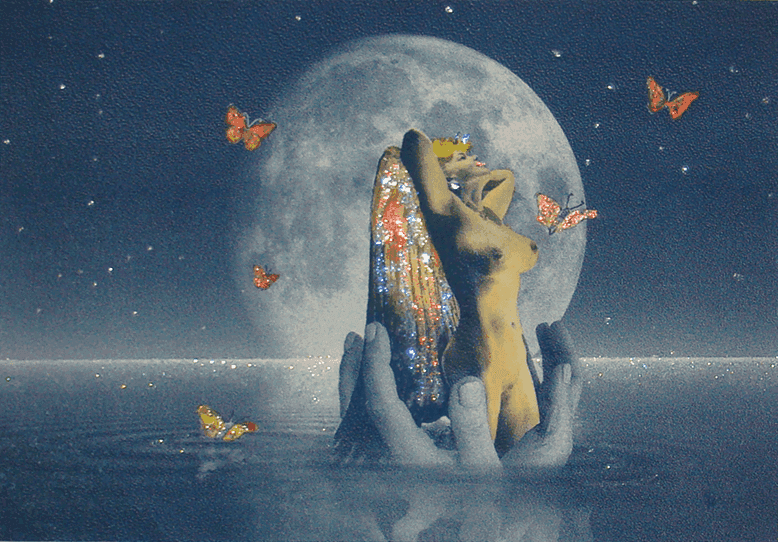
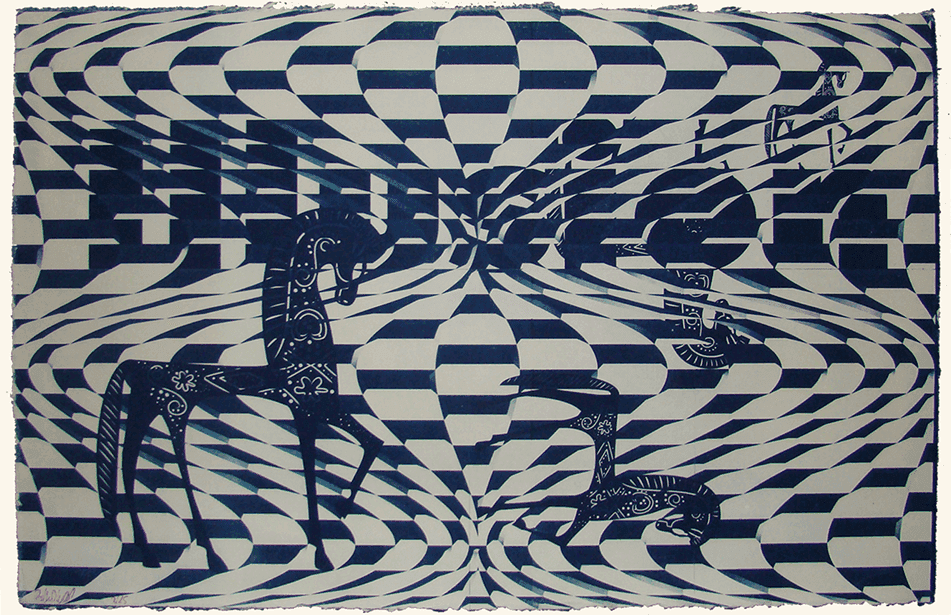
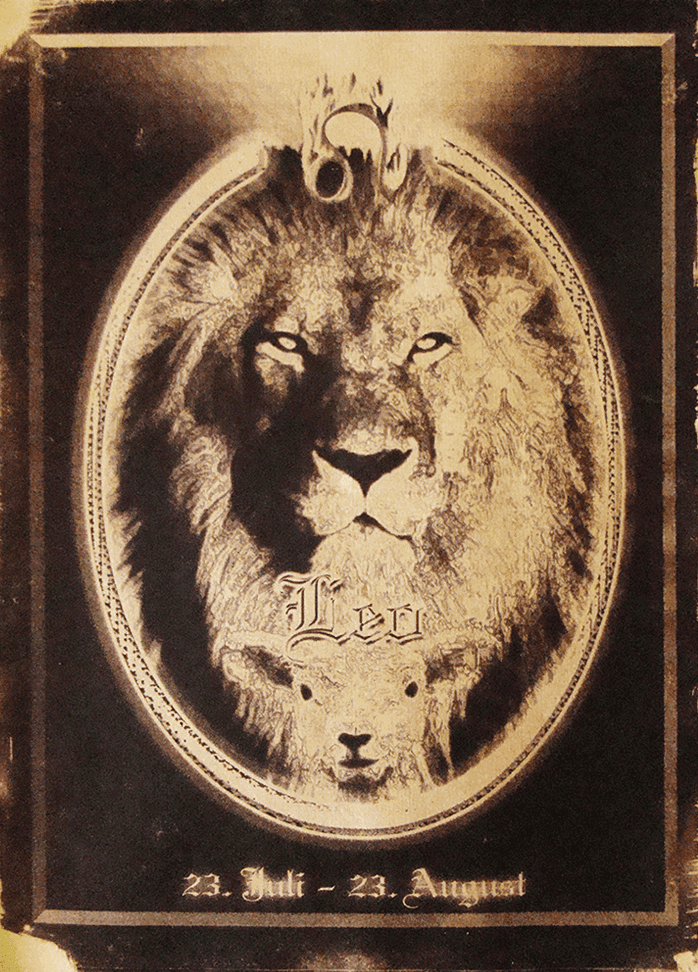
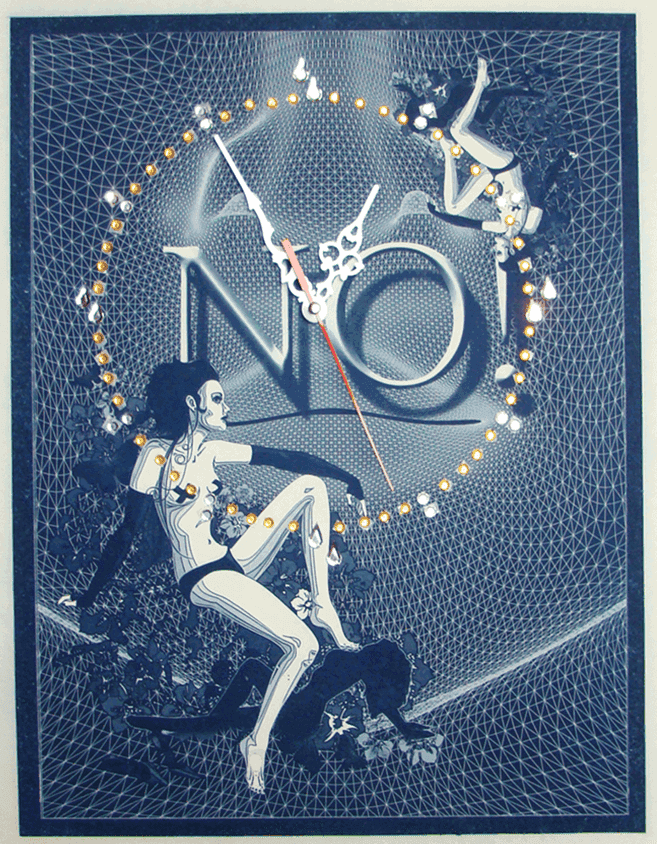
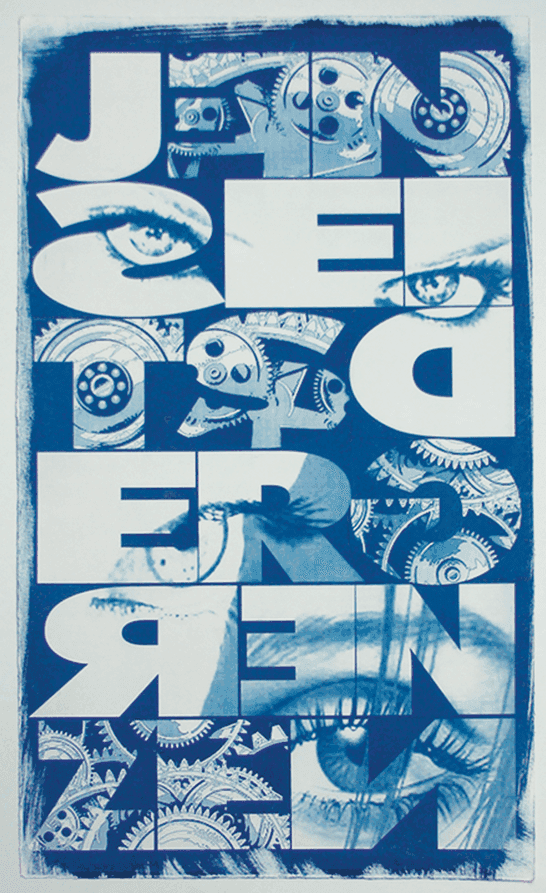
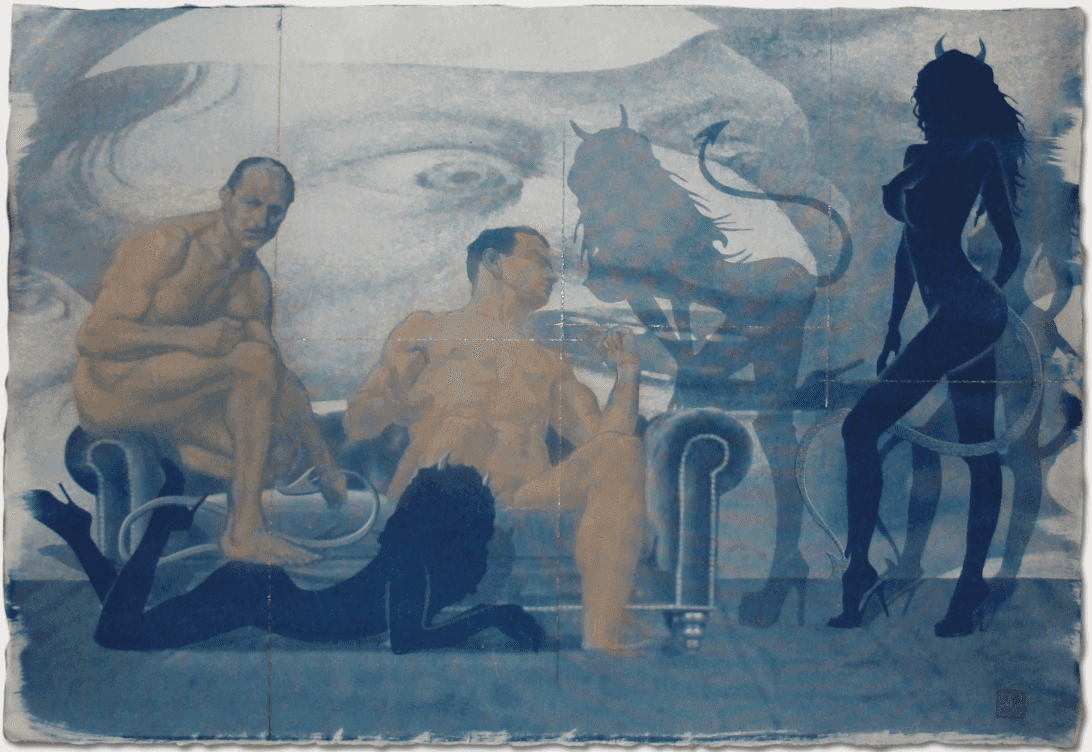
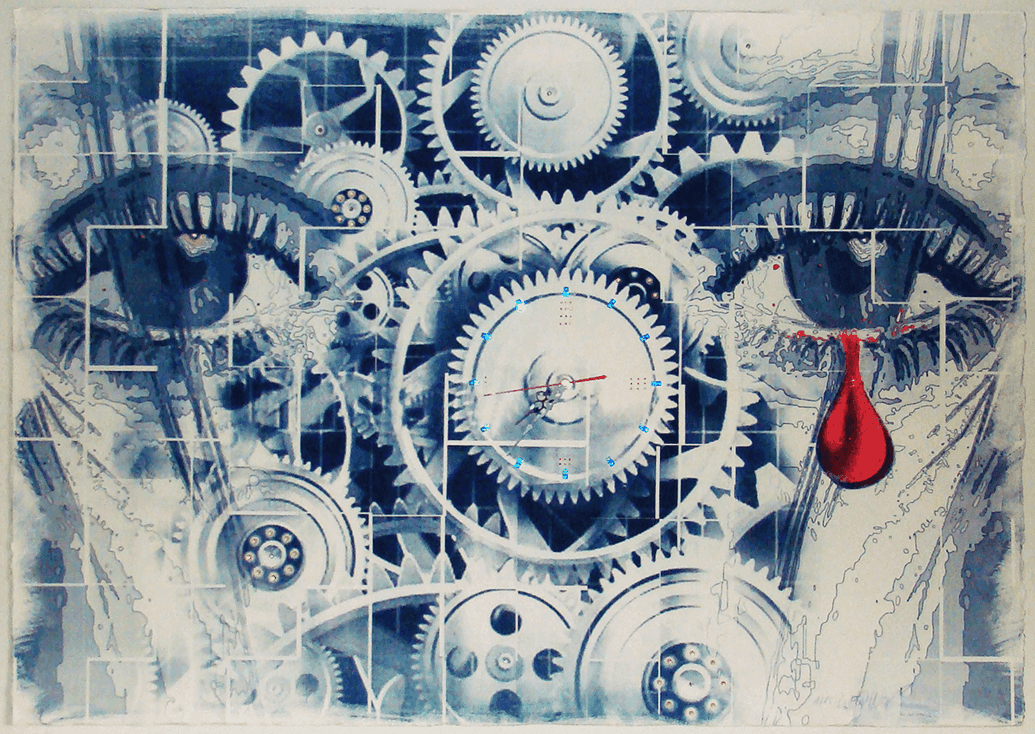
Cyanotype
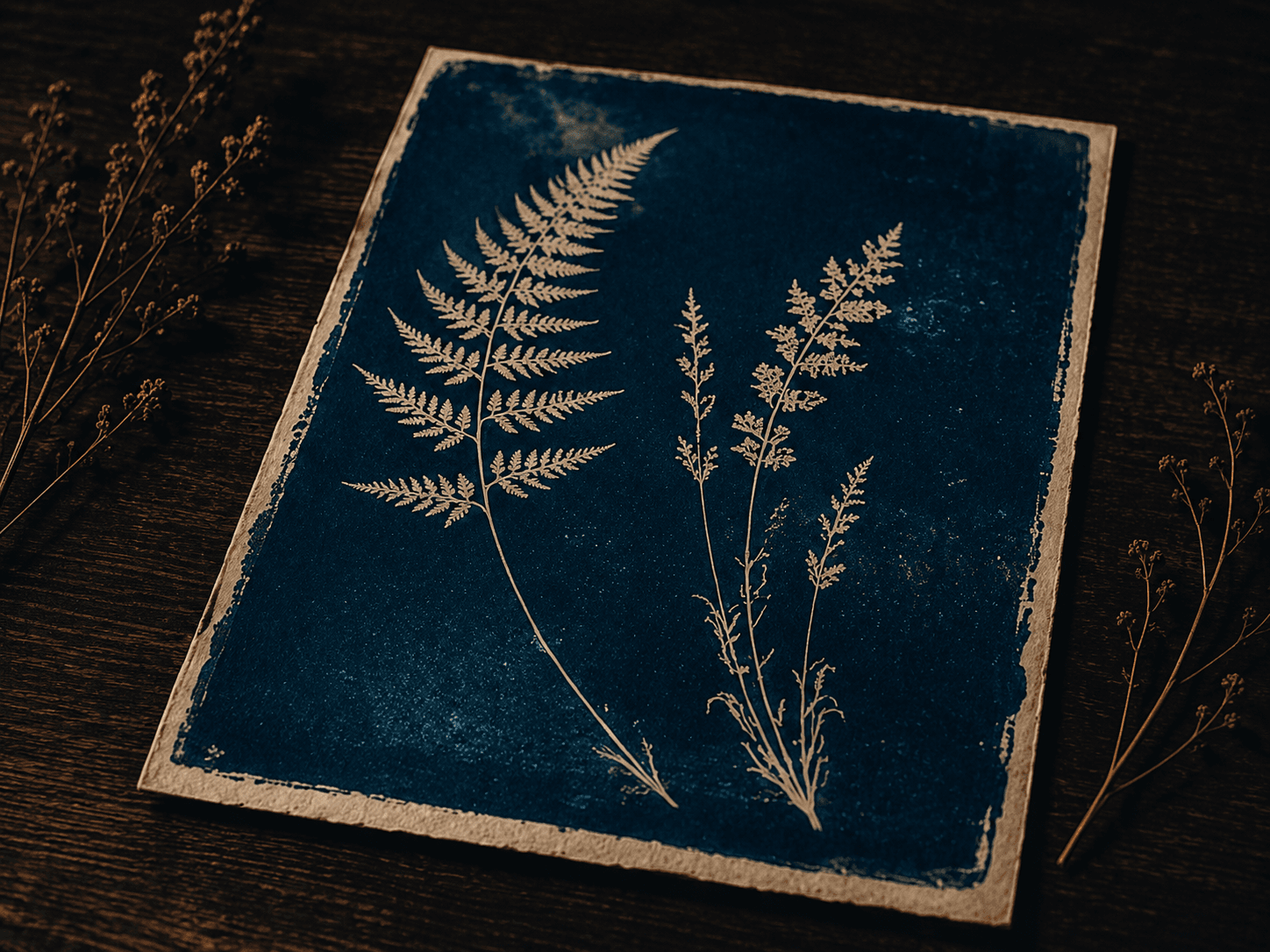
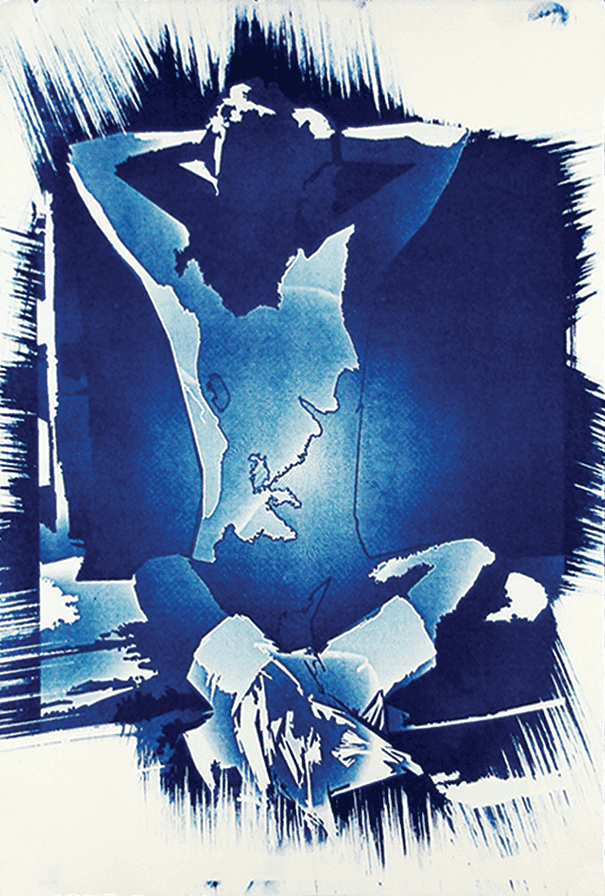
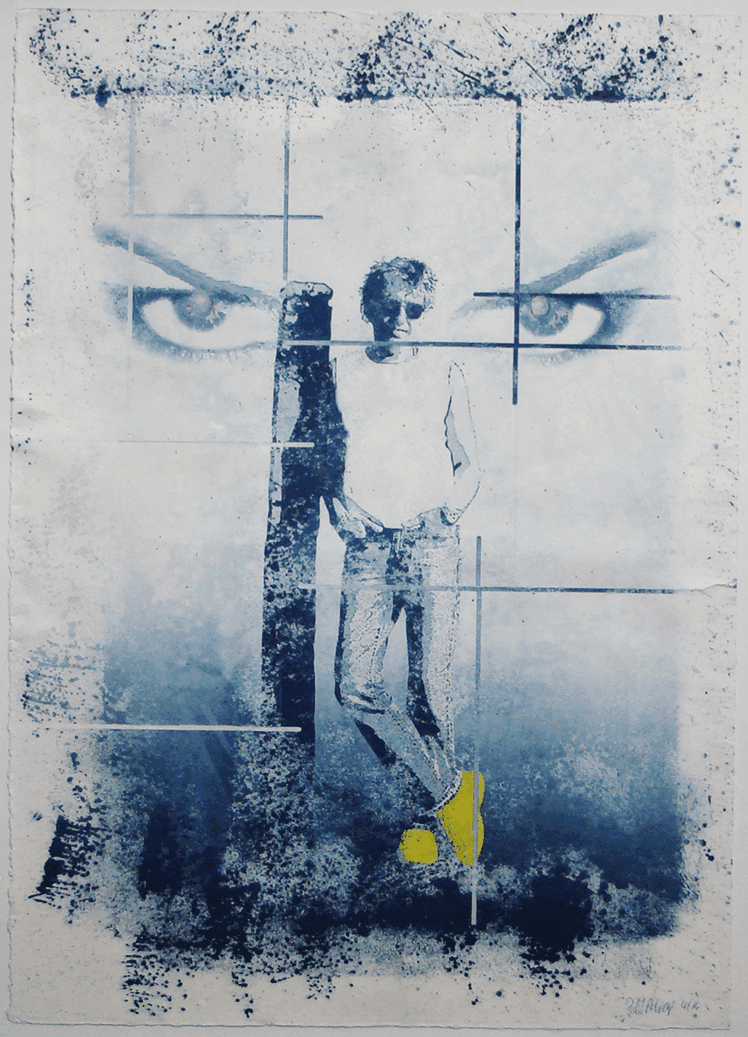
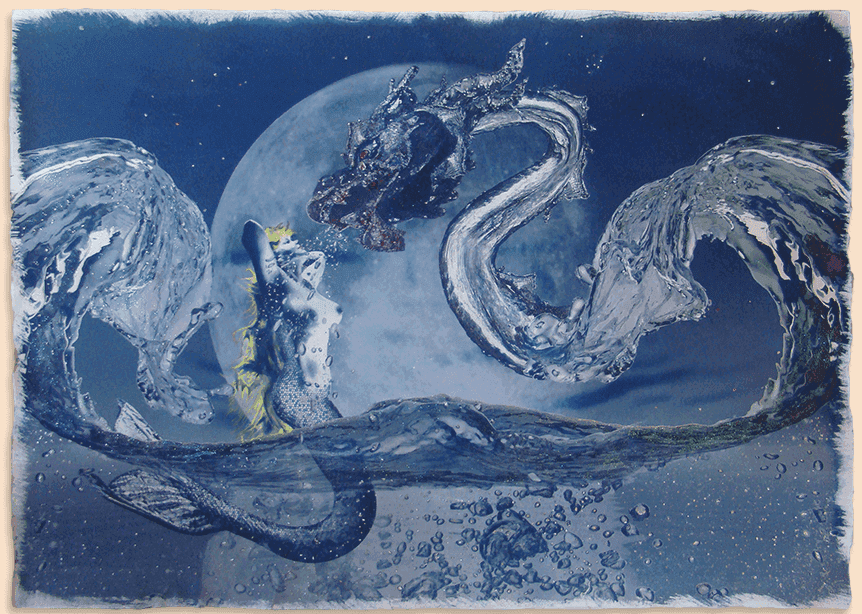
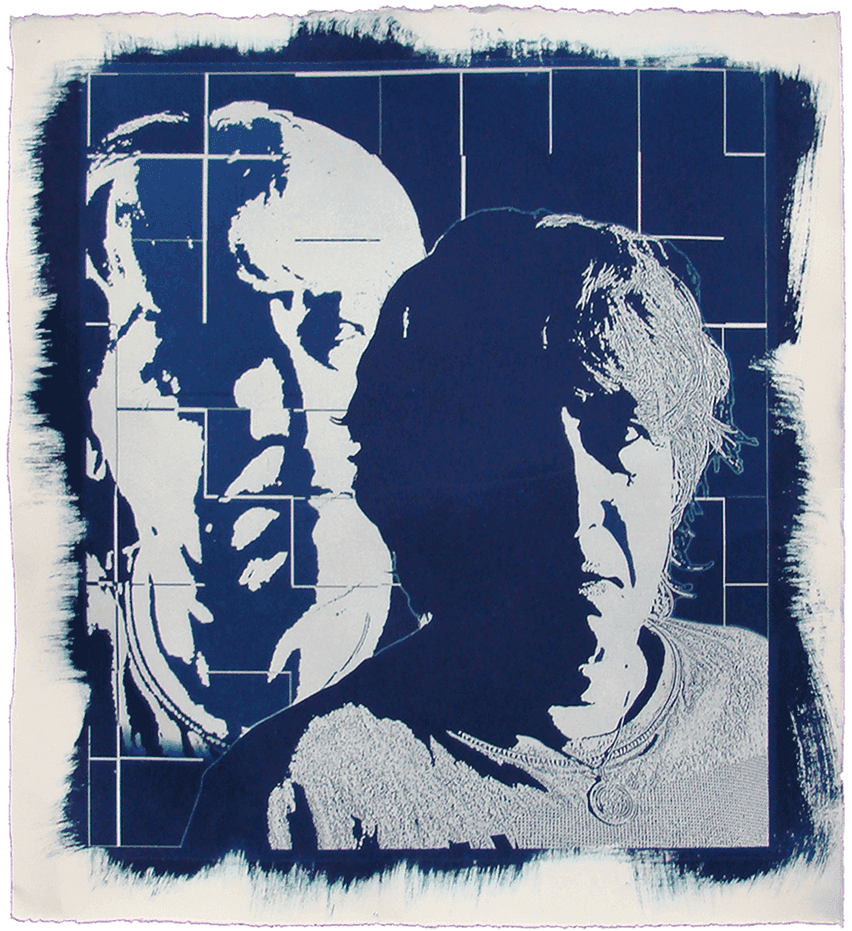
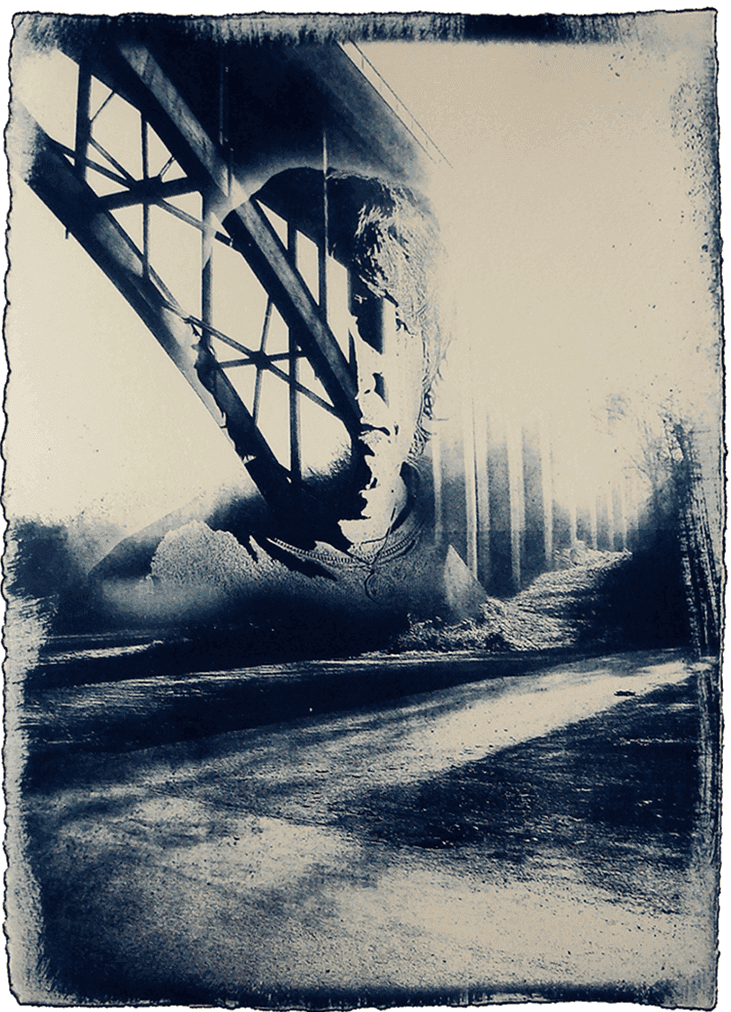
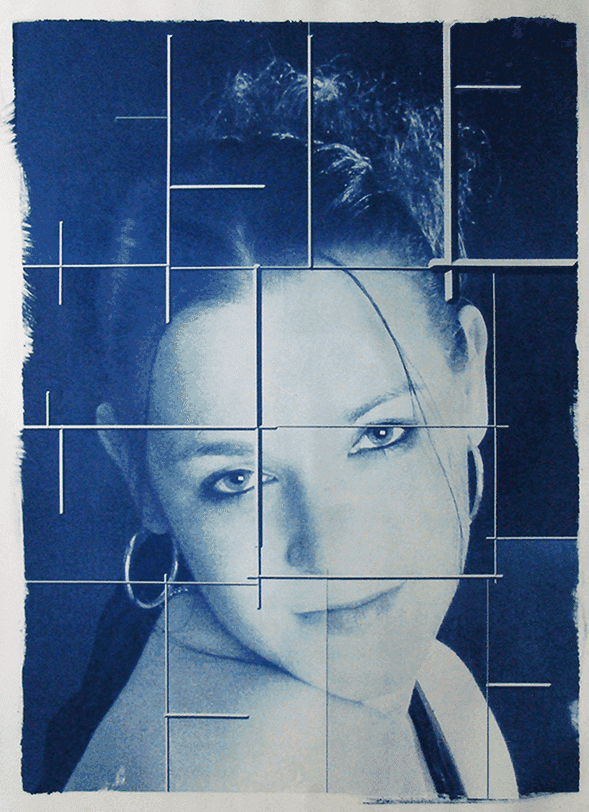
Cyanotype is a historic photographic printing process developed in 1842 by the English scientist and astronomer Sir John Herschel. Alongside daguerreotype and calotype, it belongs to the early photographic processes used to create stable photographic images. Unlike many traditional photographic techniques, cyanotype is not based on silver, but on iron compounds. Its defining feature is the deep blue colour known as Prussian Blue.
The process became especially known through the British botanist and photographer Anna Atkins. She used cyanotype to document algae, ferns, and other plants in precise photographic impressions. Her work Photographs of British Algae: Cyanotype Impressions, first published in 1843, is considered one of the earliest and most important books illustrated with photographic images. Atkins is therefore often described as one of the first female photographers in history.
In cyanotype, absorbent paper is coated with a light-sensitive solution, usually based on ferric ammonium citrate and potassium ferricyanide. Once dry, the paper is exposed with a negative or with an object that casts a shadow — for example a plant, a drawing, or a transparent image carrier. Exposure takes place through UV light or sunlight. Depending on the weather, season, paper, and desired visual effect, exposure time can vary.
During exposure, the iron compounds in the paper react to light. In the exposed areas, an insoluble blue pigment is formed. The unexposed parts remain water-soluble and are then washed away under running water. Unlike traditional analogue photography, there is no separate chemical development. The image appears through light, water, and time.
This reduction is precisely what makes cyanotype so distinctive to me. The process is technically simple, yet artistically unpredictable. Every fibre of the paper, every brush mark, every shift in light, and every decision made during the process leaves a trace in the finished work. The blue print is not only an image, but a visible moment of its own creation.
Contrast and colour can be altered through later treatments, for example with hydrogen peroxide, tannin, tea, or other toning baths. These treatments can create finer gradations, warmer tones, or stronger contrasts. Yet the origin of each work remains the same: light meets prepared paper — and from a fleeting exposure, a lasting impression is made.
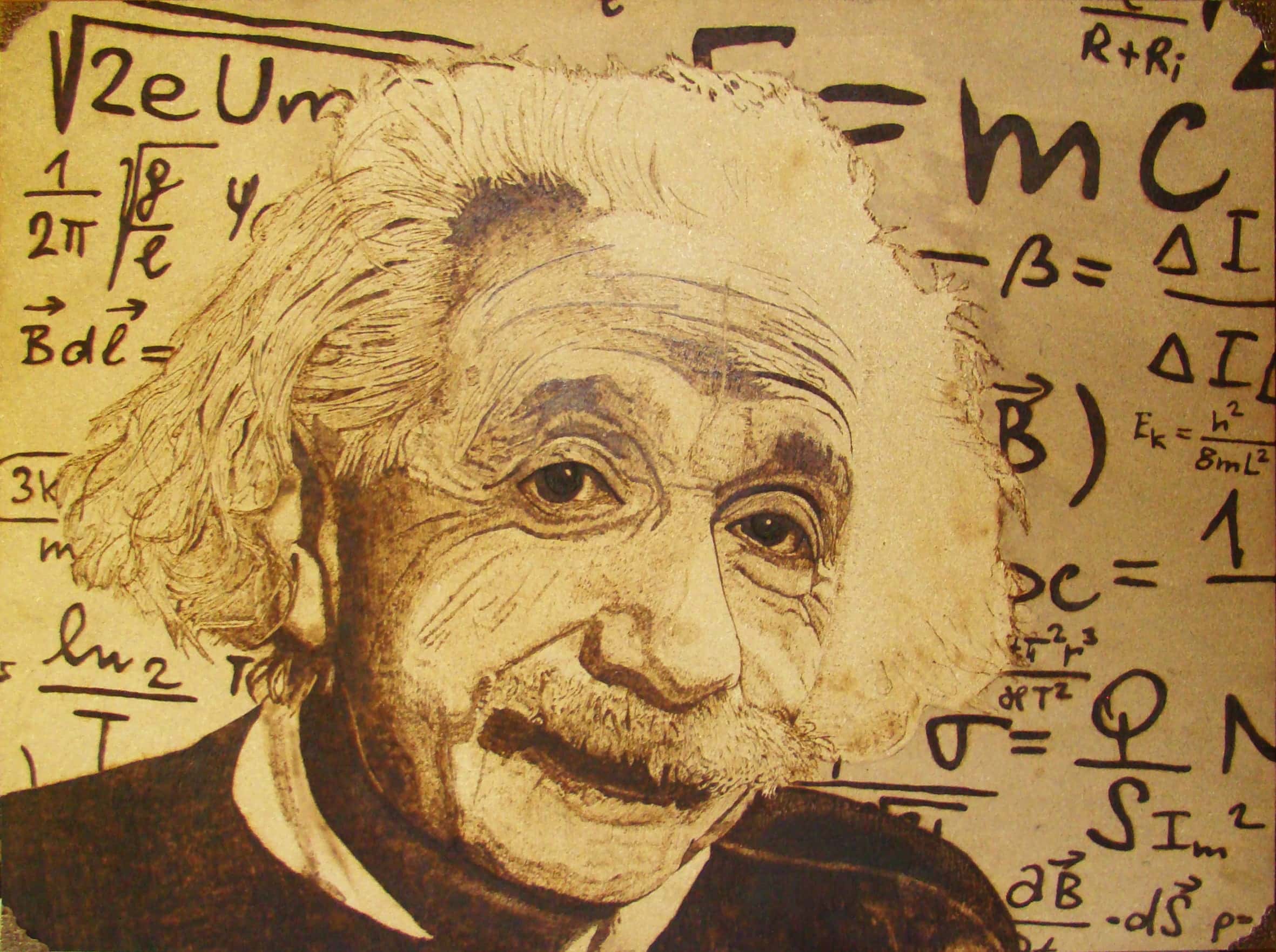
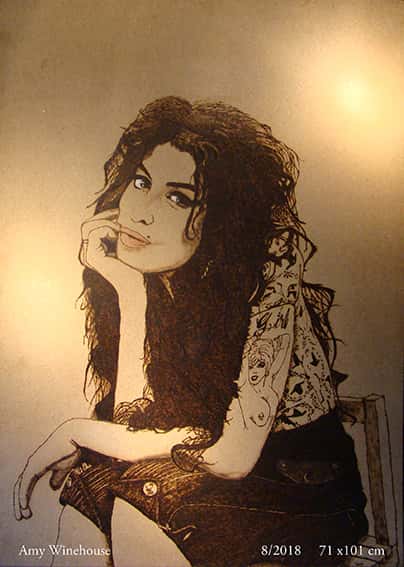
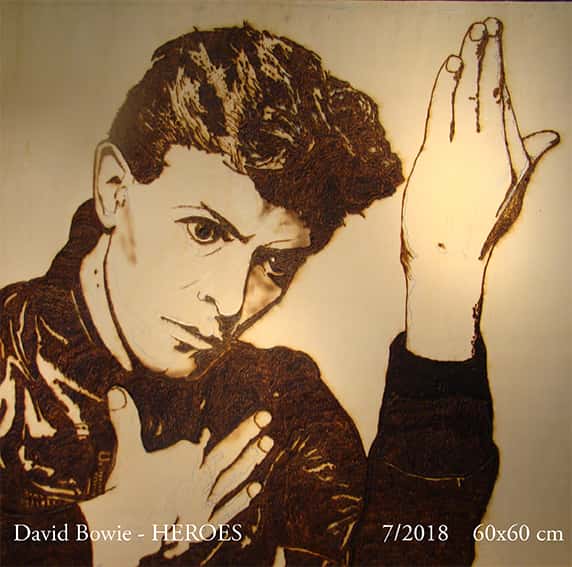
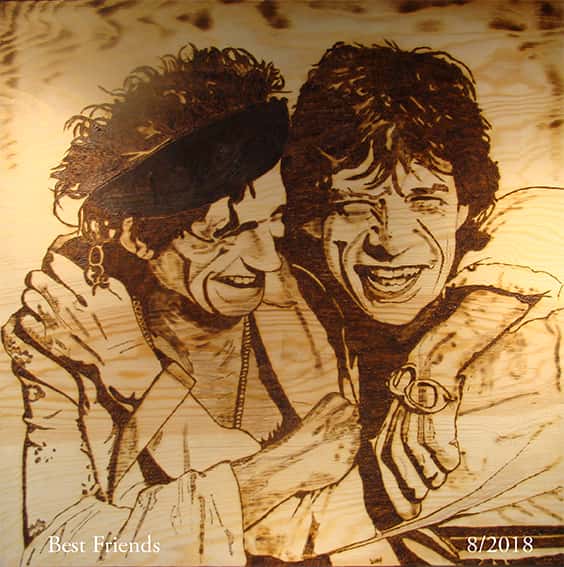
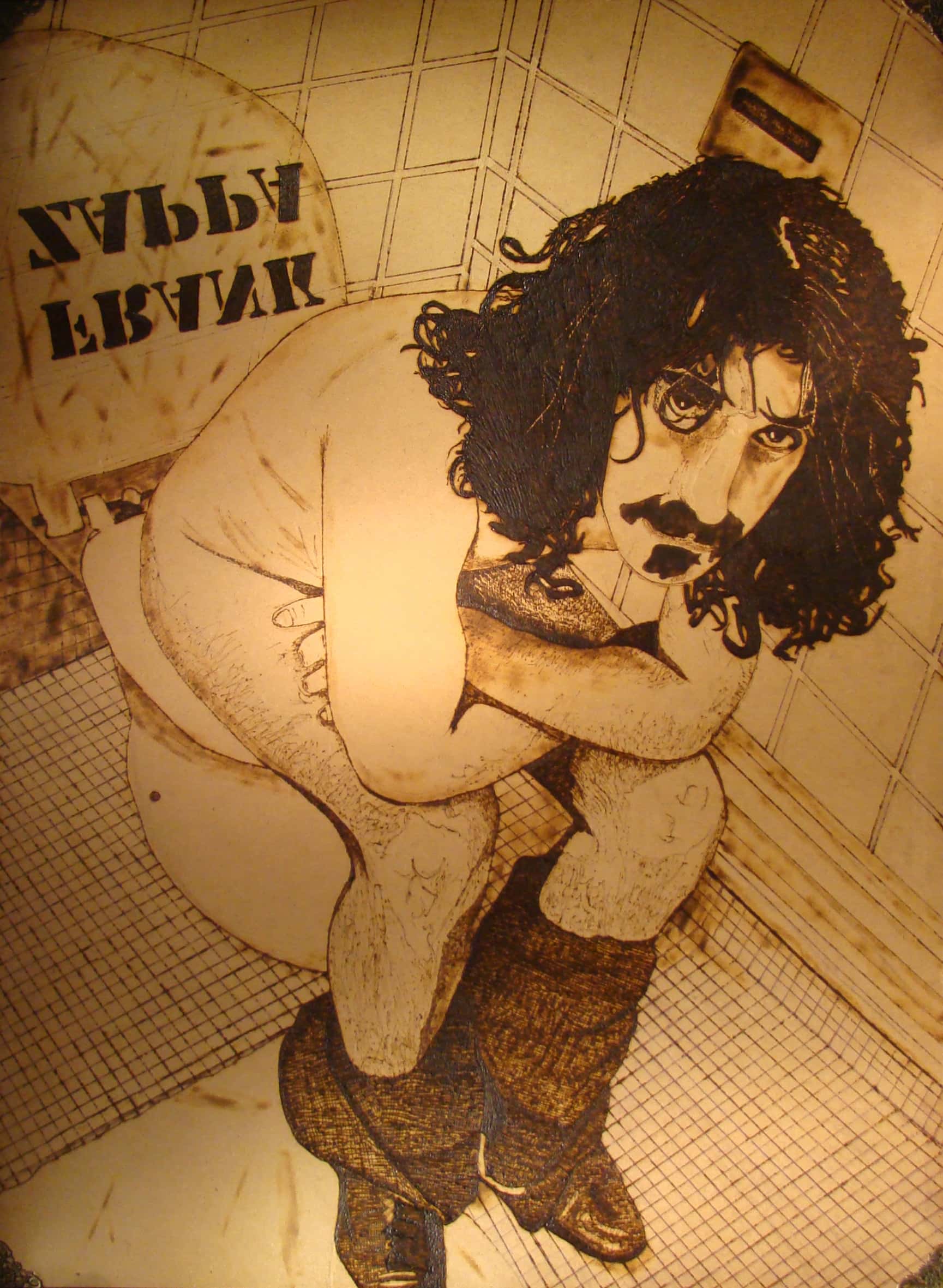
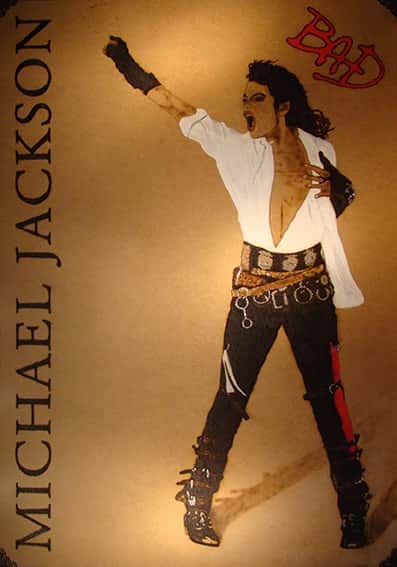
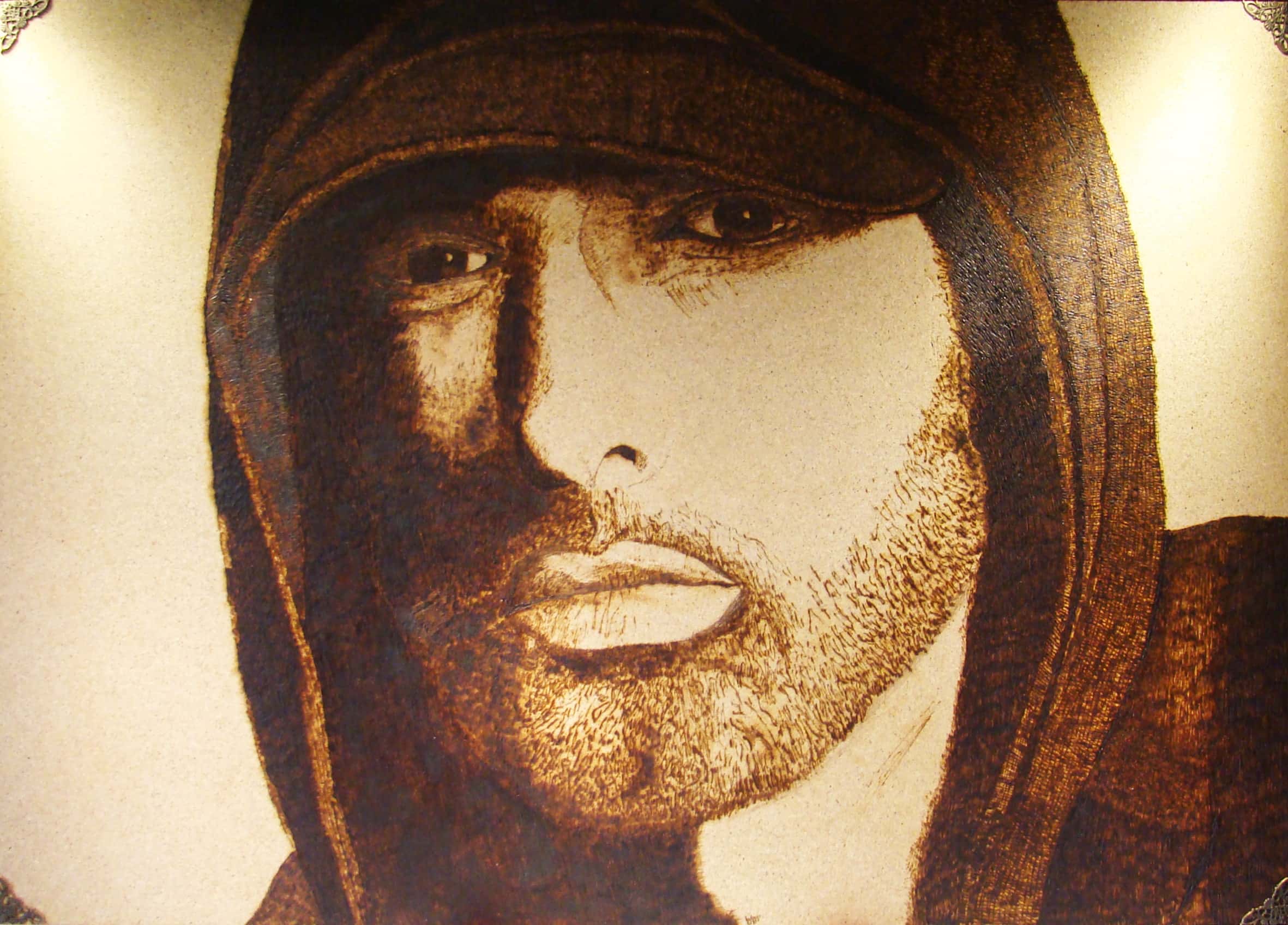
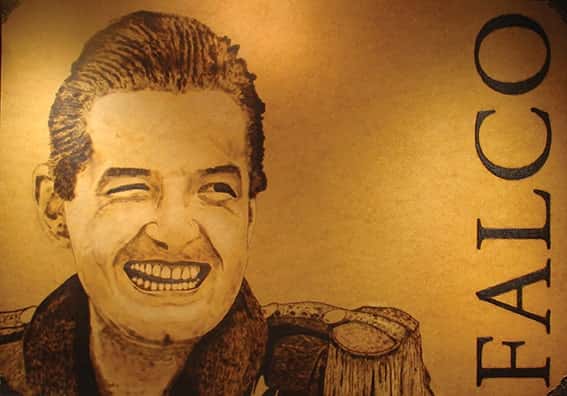
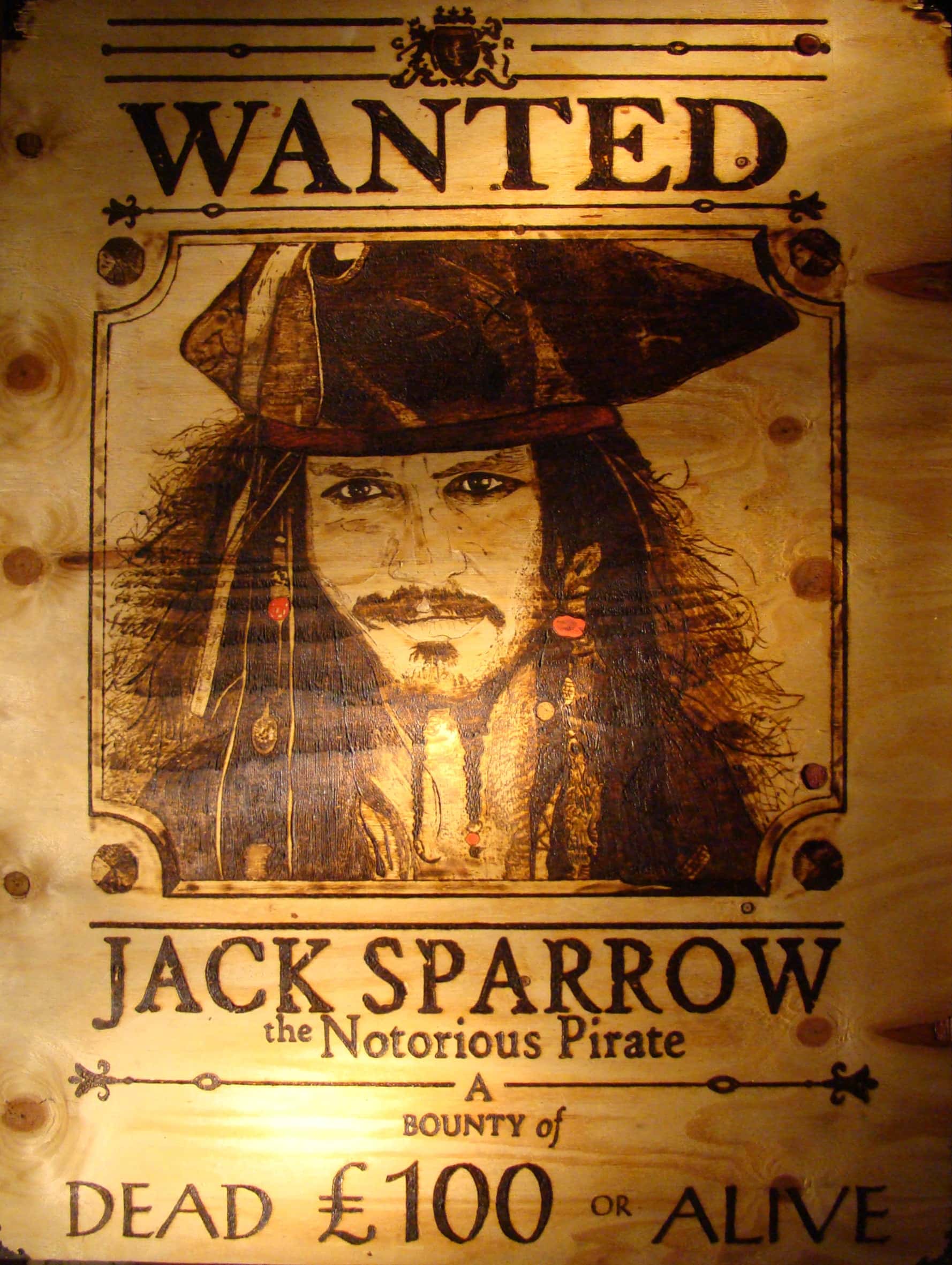
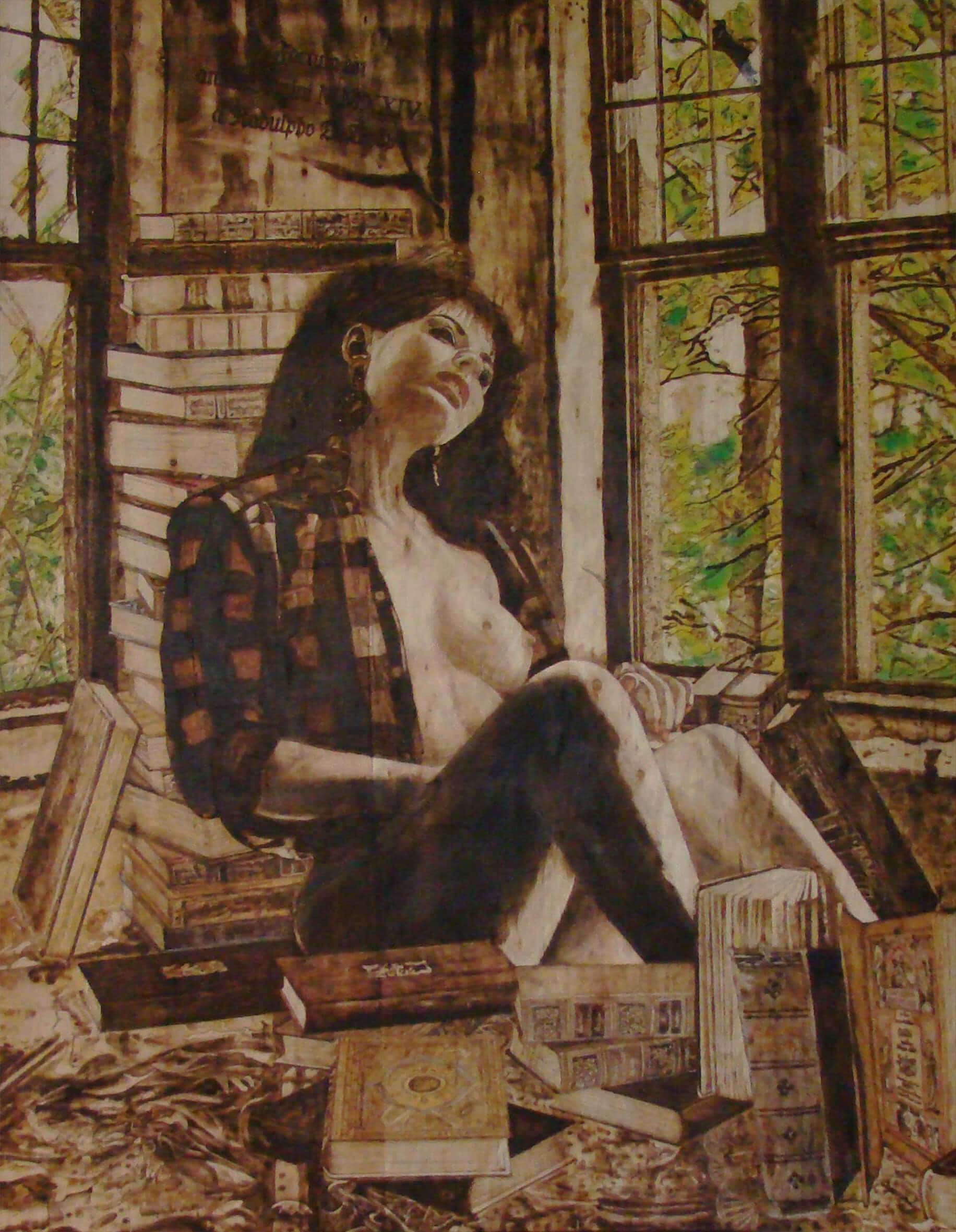
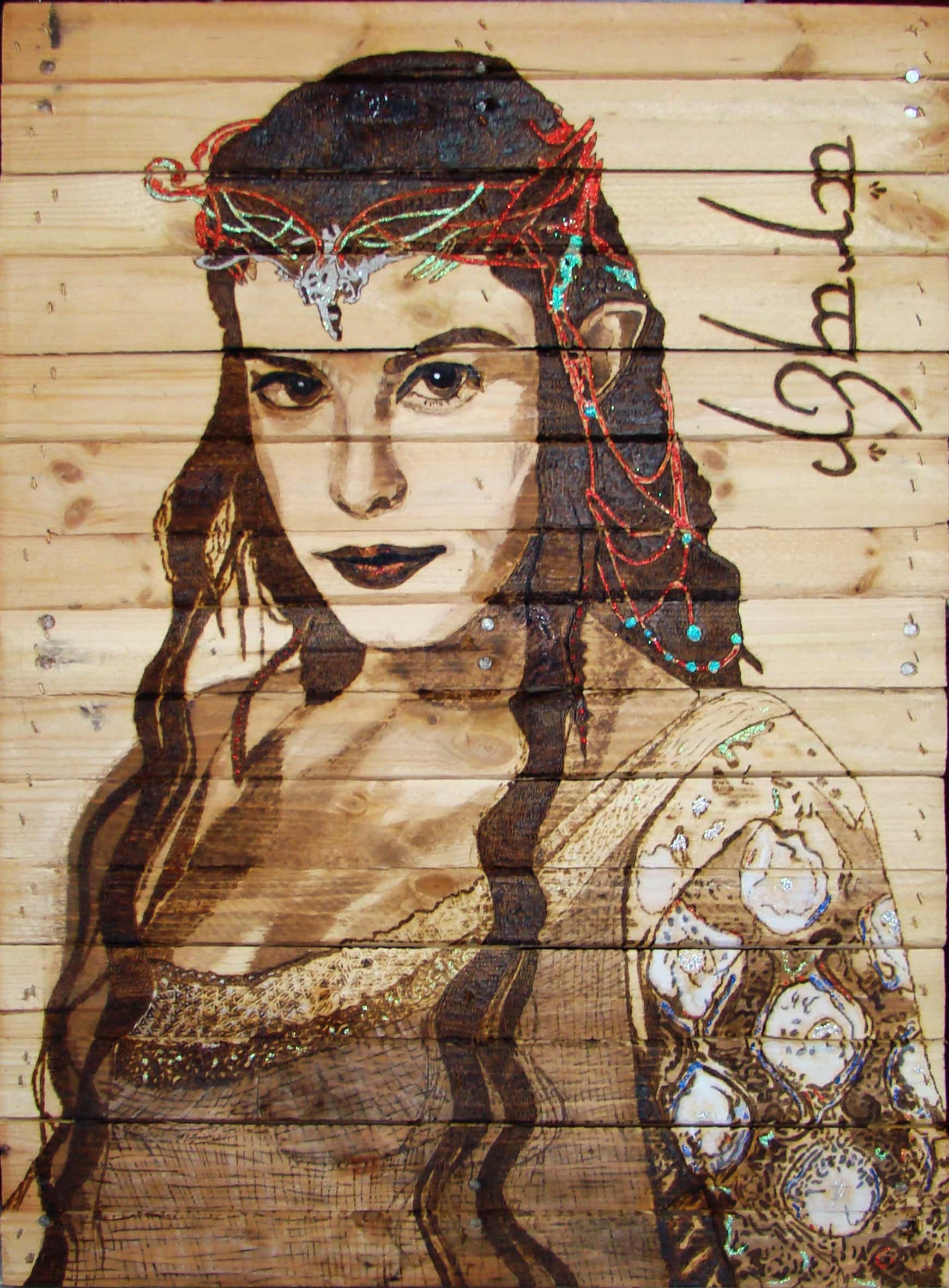
Pyrography
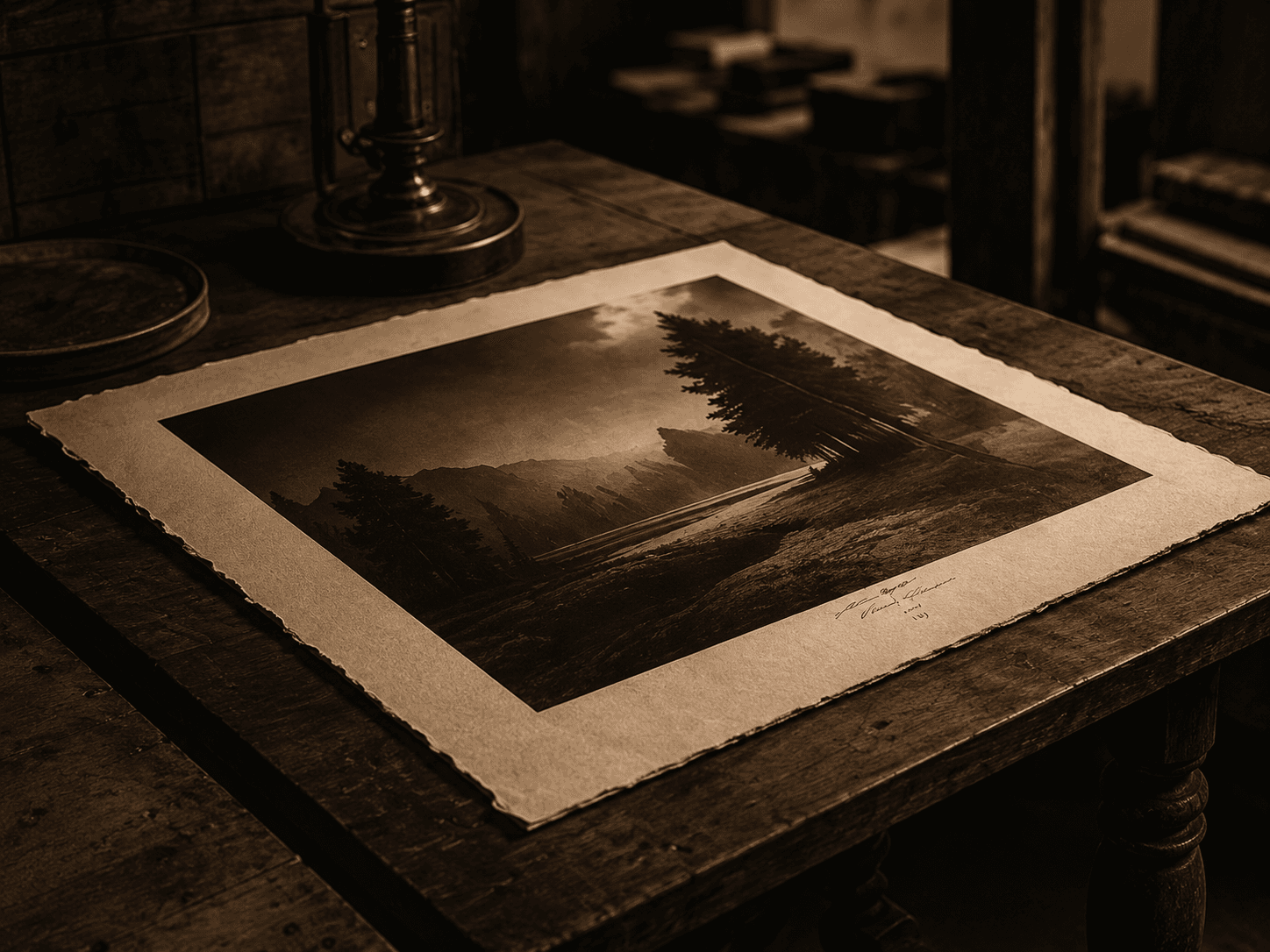
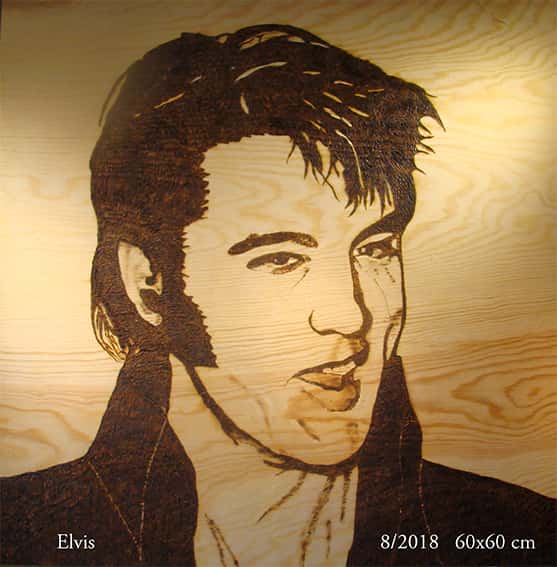
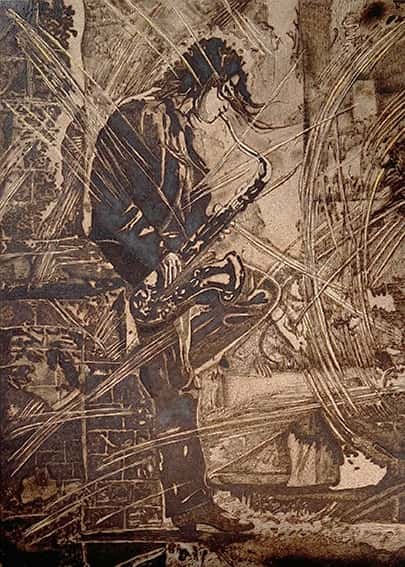
The word derives from Greek: “pyr” means fire and “graphos” stands for writing or drawing. This “art of writing with fire” has been practised for centuries, tracing its origins back to prehistory when early humans heated tools over open fires to burn patterns into objects.
In the past, metal rods were heated over an open flame. Today, modern electrically powered pyrography pens are used, which are handled much like a soldering iron.
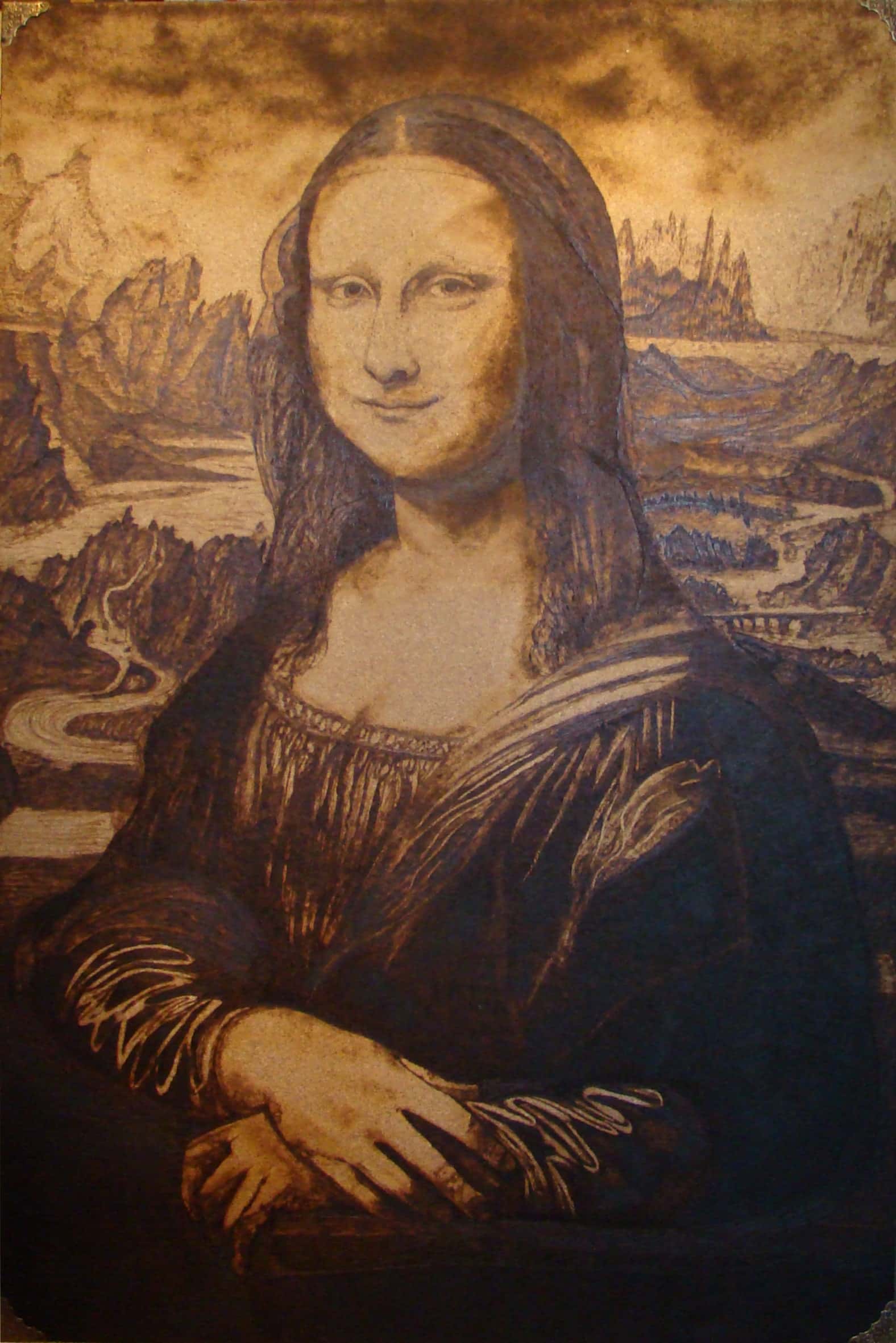
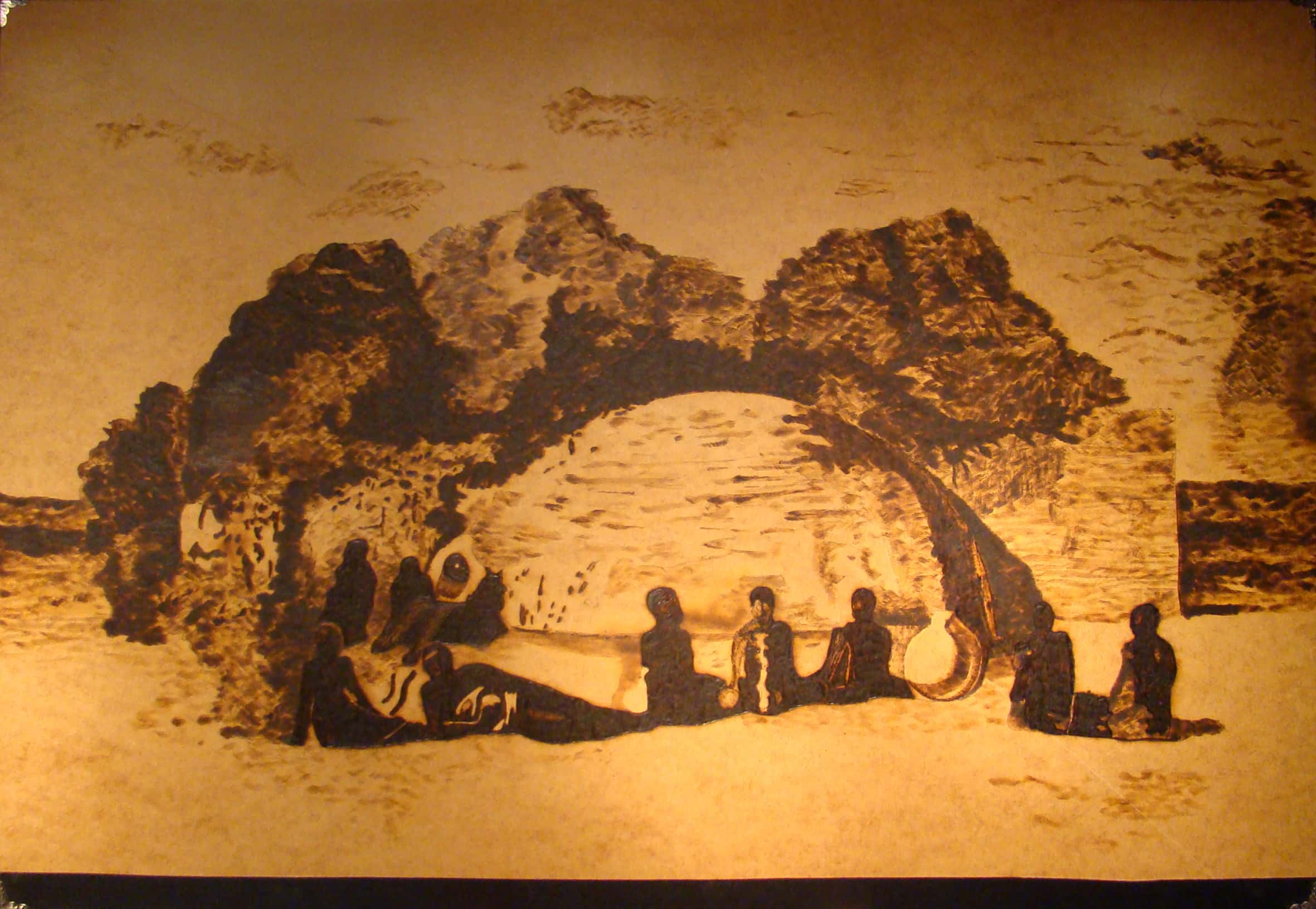
By varying the pressure, temperature, and the time the burning tip remains on the surface, different tonal gradations can be achieved — ranging from light tan to deep black. Materials: While wood is the most common surface, other natural materials such as leather, cork, fabric, or velvet can also be artistically worked.
Today, pyrography is both a popular craft and a recognised art form, combining creativity with a meditative craft experience. Using a variety of tips — from fine points for intricate portraits to flat shaders for broader tonal areas — an endless variety of unique designs can be created.
A work with history begins with a conversation.
Whether it is a commission, collaboration or special project – I look forward to your inquiry.